Spokane Valley top Water Softeners That Improve Water Quality
Spokane Valley top Water Softeners That Improve Water Quality
Blog Article
Pure and Clean: The Key Importance of Water Decontamination Systems
Access to clean and potable water is a fundamental necessity. Many dwellings overlook the possible contaminants residing in their tap water. Heavy metals, bacteria, and chemicals can pose critical health risks. Water purification systems present a solution by effectively removing these impurities. However, understanding the various options available and their environmental impact is essential. What factors should one consider when selecting the ideal system for their home? The answers may surprise you.
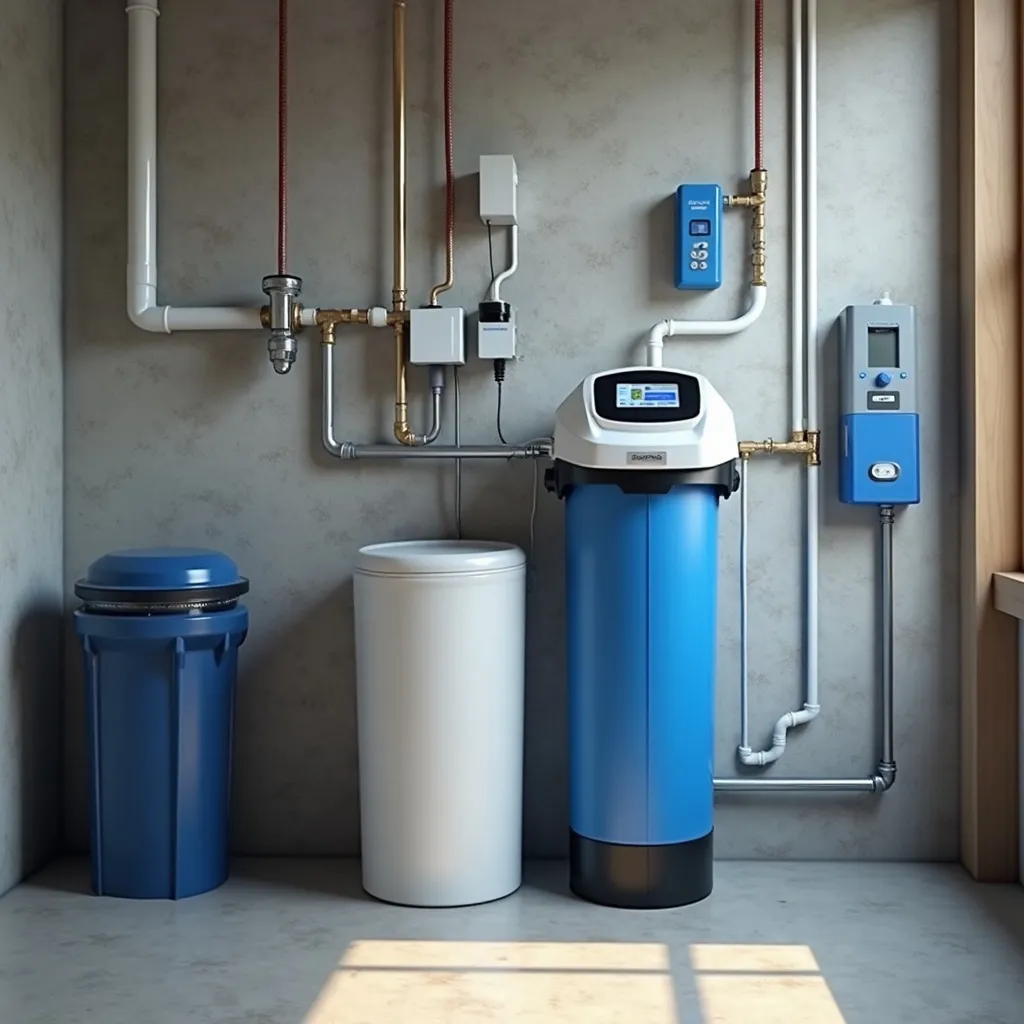
What contaminants Are hiding in Your Water?
What veiled dangers hide within routine water sources? Many people fail to recognize the possible impurities that may damage their health. Typical pollutants comprise heavy metals such as lead and arsenic, which can seep into water systems from aging infrastructure or industrial runoff. Microbial hazards, comprising bacteria and viruses, often emerge from agricultural runoff or inadequate sanitation practices. Additionally, chemical contaminants like pesticides and pharmaceuticals are frequently detected, arising from agricultural activities and improper disposal methods.
Chlorine and chlorine by-products, employed in the disinfection process, can also pose risks, leading to long-term health issues. Moreover, new pollutants such as microplastics have become an increasing worry, as they remain in water sources and may enter the human body through consumption. Understanding these concealed threats is critical, necessitating effective water purification systems to safeguard public health and ensure safe drinking water.
The Method of Liquid Purification Explained
Learning how water purification functions requires examining different methods used to remove impurities. Filtering methods, synthetic treatments, and UV treatment each play a crucial role in ensuring water quality and security. By exploring these techniques, one can understand the intricacies of efficient water purification processes.
Explore Filtration Methods
What role do various filtration methods play in effective water purification? Filtration methods are important in eliminating pollutants from water, ensuring its purity for consumption. Physical purification utilizes filtration screens, such as screens or membranes, to capture particles and sediment. Activated carbon filters effectively adsorb organic compounds and chlorine, boosting taste and odor. Reverse osmosis applies a semi-permeable membrane to eliminate dissolved solids, bacteria, and viruses, providing highly purified water. Additionally, ceramic filters can collect microorganisms, adding another layer of protection. Each method differs in efficiency and application, often working together to maximize overall purification effectiveness. By understanding these filtration methods, individuals can select wisely in selecting appropriate water purification systems for their needs.
Chemical Refinement Processes
Chemical purification processes convert contaminated water into safe drinking water through various approaches that target specific pollutants. These pooled methods often rely on the addition of chemical agents, such as chlorine or ozone, to eliminate harmful microorganisms and pathogens. Coagulation and flocculation are other crucial processes, where chemicals are introduced to aggregate smaller particles into larger aggregates, facilitating their removal. Additionally, advanced oxidation processes utilize reactive species to break down organic contaminants. Ion exchange systems can successfully remove heavy metals and other ionic pollutants by exchanging unwanted ions with less harmful ones. Overall, chemical purification plays an essential role in ensuring water safety, providing an important barrier against various contaminants that may compromise public health.
UV Treatment Advantages
Following chemical purification techniques, UV application presents a different approach to ensuring water safety. This system utilizes ultraviolet light to destroy dangerous pathogens, encompassing bacteria, viruses, and protozoa. By interfering with the DNA of these organisms, UV treatment proficiently prevents their reproduction and deems them inert. One of the principal benefits of this system is its speed; water is treated instantly as it flows through the UV chamber. Additionally, UV treatment does not inject any chemicals or alter the water's taste or odor, rendering it an pleasing choice for many households. It calls for minimal maintenance and operates efficiently, often in conjunction with other purification methods, optimizing overall water quality and safety without the use of injurious chemicals.
Why Reliable Water Cleaning Proves Vital for Our Surroundings
Effective water purification is critical for sustaining environmental health, as it directly impacts ecosystems and human communities alike. Contaminated water sources can lead to harmful consequences on wildlife, disrupting food chains and diminishing biodiversity. Pollutants such as heavy metals, chemicals, and pathogens can infiltrate natural habitats, threatening aquatic life and compromising the integrity of ecosystems.
Moreover, clean water is indispensable for crop production, as polluted sources can influence crop yields and soil composition. In urban areas, modern filtration systems confirm that societies have the provision of wholesome drinking water, curtailing health risks caused by waterborne diseases.
Which Water Treatment System Is Right for You?
Selecting the ideal water purification system is based on various factors, including the particular contaminants found and the intended use of the water. For households, common options include activated carbon filters, reverse osmosis systems, and UV purifiers. Activated carbon filters successfully remove chlorine, sediment, and some volatile organic compounds, which makes them ideal for taste and odor. Conversely, reverse osmosis systems are more comprehensive, eliminating a wider range of contaminants, including heavy metals and salts, which is ideal for areas with hard water. UV purifiers, while not effective against chemical pollutants, are excellent for killing pathogens, which makes them suitable for well water users. For industrial or large-scale applications, advanced systems like multi-stage filtration or distillation may be necessary. Ultimately, understanding specific water quality needs and usage scenarios informs the selection of the most appropriate purification system.
How to Opt For the Right Water Filtration System
How should one select the most fitting water purification system for their needs? First, an assessment of visit this page water quality is essential. Screening for harmful substances such as bacteria, heavy metals, and chlorine will guide the selection process. Next, examining the volume of water used daily is essential; some systems cater to small households, while others are created for larger demands.
Another factor to evaluate is the desired filtration approach, whether it be reverse osmosis, UV filtration, or activated carbon. Each method has its advantages and drawbacks, influencing overall performance and upkeep needs. Budget also has a important role; systems vary widely in price, both initial and in continuous running expenses.
Ultimately, evaluating warranty protection and customer service options can provide insight into the dependability of a product. By systematically assessing these elements, a sound decision can be made, guaranteeing clean and safe water availability.
Maintenance Tips for Your Water Purification System
Proper servicing is essential for ensuring the efficiency of water purification systems. Timely filter substitution and regular system maintenance are important roles in keeping water quality and increasing the lifespan of the equipment. Following these practices helps prevent issues that could damage the system's performance.
Regular Filter Substitution
Replacing the filter regularly is a vital part of maintaining an well-working water purification setup. Filters have a crucial role in filtering out impurities and ensuring the water is potable. Over time, filters collect dirt and particles, which may reduce their performance and jeopardize water quality. It is typically recommended to change filters according to the manufacturer’s recommendations, usually every six months to a year, depending on how much they are used and water quality. Ignoring this task can lead to lower flow rates and the growth of bacteria. Regularly monitoring the filter condition and following a replacement schedule not only enhances the system’s performance but also protects the health of those who depend on purified water.
Regular System Upkeep
Maintaining a water purification system involves more than filter replacement; routine cleaning of the system is equally necessary for peak performance. Over time, impurities may accumulate in the system, influencing water quality and flow rates. Regular cleaning of external surfaces and internal components, such as tanks and tubing, helps prevent build-up and guarantees efficient operation. It is advisable to follow the manufacturer’s guidelines for maintenance procedures and frequency. Additionally, checking for leaks and maintaining proper connections can help avoid potential issues. Scheduling routine maintenance not only lengthens the life of the system but also enhances water purity. Ultimately, a well-maintained purification system provides consistent access to safe, clean water for all users.
Reasons to Invest in a Home Water Refining System
Acquiring a home water treatment system can substantially elevate the excellence of drinking water, especially in areas where municipal supplies may contain contaminants. These systems proficiently remove impurities such as chlorine, heavy metals, and harmful bacteria, assuring safer and healthier water for consumption.
Home water treatment systems frequently generate improved smell and flavor, rendering drinking water more desirable for families. They can also aid in the durability of home appliances by inhibiting mineral deposits, which can cause deterioration over time.
Furthermore, committing to such a system can be cost-effective in the long run, limiting the need for bottled water and minimizing plastic waste.
Furthermore, having access to purified water encourages improved fluid intake, which is essential for overall health. To summarize, a household water filtration unit not only improves water quality but also offers economic, environmental, and health advantages, rendering it a worthwhile investment for any home.
Questions Frequently Posed
How Frequently Do I Need to Change My Water Purification System Filters?
Filters in a water purification system should typically be replaced every half a year to one year, depending on how often they are used and water quality. Regular maintenance guarantees optimal performance and safe drinking water for households.
Can Water Purification Systems Eliminate All Kinds of Bacteria?
Water treatment systems can effectively remove many kinds of bacterial organisms, but not all. The efficacy relies on the system's equipment design, filter ratings, and upkeep routines, highlighting the importance of choosing a suitable treatment approach for individual contaminant types.
Do Water Purifying Systems Consume a Lot of Water?
Water cleaning systems can expend a significant amount of water, particularly reverse osmosis systems. The waste varies by model, but on average, they may discard three to four gallons for every gallon of treated water produced.
Do Any Health Hazards Come With Unfiltered Tap Water?
Unfiltered water from the tap might present serious health hazards, including contact with contaminants such as lead, bacteria, and pesticides. Vulnerable populations, such as children and the elderly, face elevated danger from these harmful substances in water for drinking.
How Much Will You Pay for a Quality Water Purification System?
A premium water purification system generally falls between $200 and $2,000, determined by the type and features. Installation and maintenance may increase the overall expense, shaping the total investment for homeowners.
Report this page